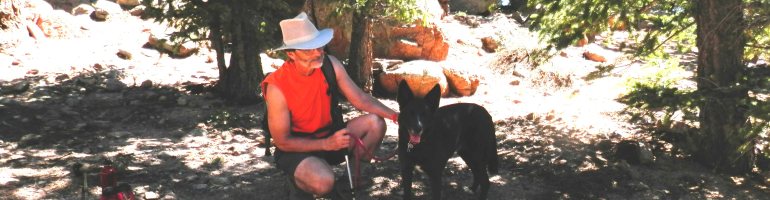

Joseph Heller, author of Catch-22, was quoted late in his career to say, “The life of a novelist is almost inevitably destined for anguish, humiliation, and disappointment,” (Christopher Buckley, 2010). Story ideas are around us all the time – all you have to do is ask yourself, “What if?” and “Why not?” and Ron relishes telling stories, whether writing novels, sitting around a campfire or telling one in song. The idea of anguish, humiliation and disappointment are far from his mind while telling a tale. They might come later though, as after editing a newsletter well into the early hours of the morning (“Oh my god! I don’t believe I said that!”), but by then the deed is done.
“Politicians use half-truths to tell lies, but novelists tell lies to show the truth,” is a quote Ron favors but can’t take credit for. It’s something he’s paraphrased but hasn’t been able to track down the source. It was probably by Will Rogers or Lenny Bruce or someone of their ilk.
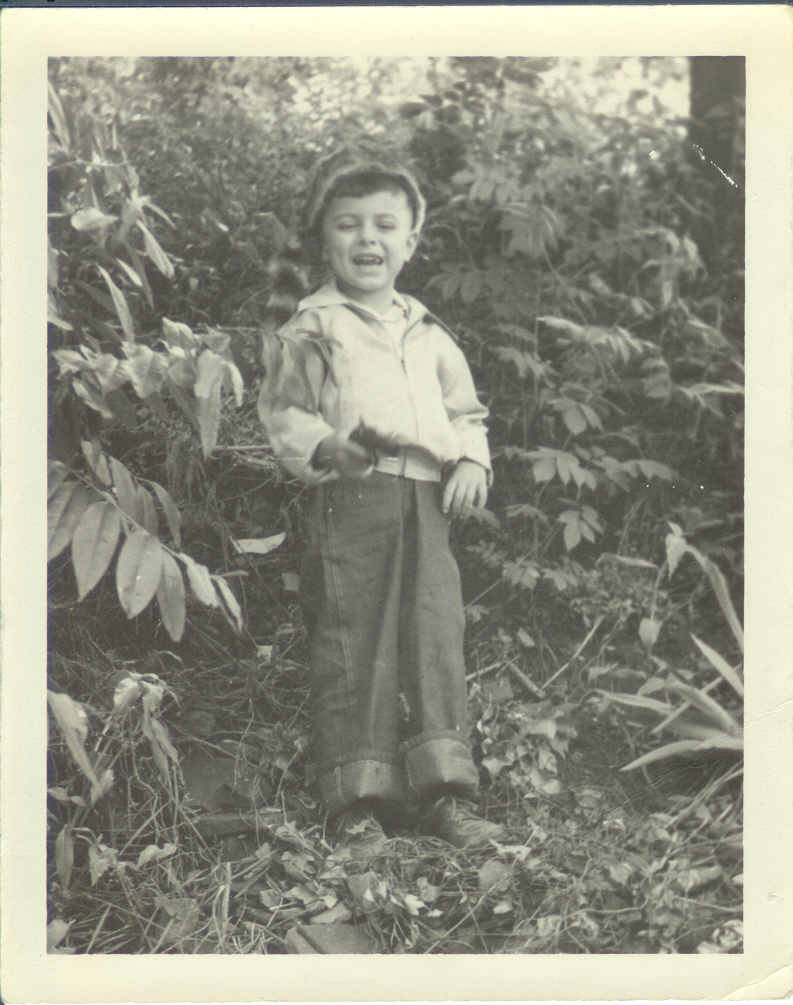
Ron’s parents always encouraged him to read: something for which he will be forever thankful. He read All Quiet on the Western Front and other adult fiction while still in grade school, and was exposed to the questions of “What if?” and “Why not?” from science fiction at about the same time. Whether it was a silly comic book or 40-cent paperbacks with garish covers bought from a rack at the drug store, he got what he asked for. His mother, when he was too young for memberships of his own, joined book clubs for him and never interfered with his choices. She did read them herself, but her favorites were mysteries, particularly Earle Stanley Gardner. Ron’s father favored movies, but read historical war stories and westerns, and he would share his paperback copies with Ron, who would reciprocate by signing out stories for him of daring prison camp escapes from the school library.
Reading was entertaining, sure, but he also found it was an easy way to learn things. Non-fiction tells you what may have happened (historians and scientists do disagree, and they all have prejudices) while “reality” changes with every new discovery. Not only do authors use facts, figures and history (“If you steal from one author, it’s plagiarism. If you steal from two, it’s research.” – Wilson Mizner), but there were also ideas and opinions that opened up vistas and points of view he may have never imagined on his own. Sometimes it takes a fiction writer to untangle the uncertainty and identify the most logical, dramatic or romantic thread.
One of Ron’s day-jobs was helping to design exercise equipment. At his interview he compared writing a novel to designing a machine. With both, you start with an ultimate goal of what you want it to be. With a machine one needs parts, weldments, and assemblies put together to make a functioning whole. With novels one uses characters, settings, plot, scenes, dialog, conflict, and resolution to create a functioning whole.
A story must be entertaining lest one lose the reader, but if Ron could expand a reader’s horizons through research or taking a tale down a bizarre rabbit-hole, well, so much the better – he would be repaying the favors so many authors have done for him, making reading a gratifying experience on more levels than the obvious.
Ron’s interests have included at one point or another: photography, geology, sailing, sports car and bicycle racing, hiking, bike riding and singing rock-n’-roll and folk music. His day jobs have included: manufacturing engineering, designing, insurance investigations, machining, and management.
 Ron De Torre - DTdesertrat's blog